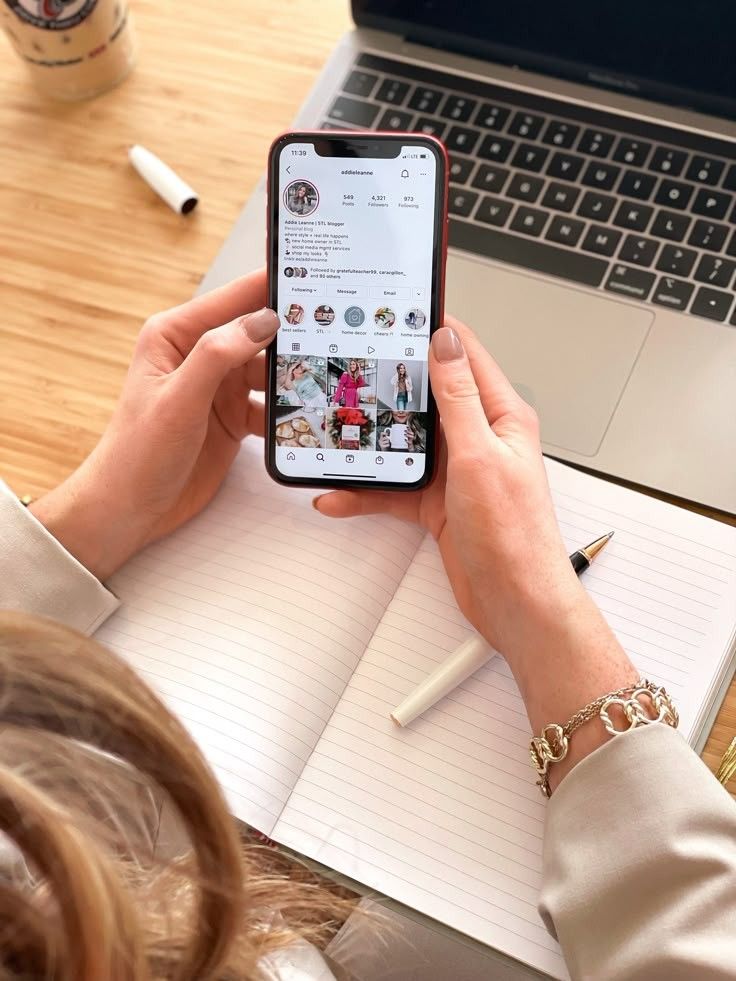
Have you noticed that coming up with original ideas feels harder lately? Or that when you try to create something new, your mind immediately pulls from what you’ve seen on Instagram or TikTok? If so, you’re not alone. The constant stream of content on these platforms may be stifling your creative ability more than you realize.
The Illusion of Inspiration
Many people believe that scrolling for hours looking for references fuels creativity. In reality, it often has the opposite effect. Instagram and TikTok operate as repetition loops, where the most engaging content is what has already worked before. Algorithms prioritize trends, and users—whether consciously or not—end up shaping their creations to fit them.
The result? A sea of nearly identical content. Viral sounds repeated endlessly, the same dance routines, videos with identical jokes and editing styles. What should be a space for individual expression has turned into a massive imitation ecosystem.
Creativity Needs Space
The creative process requires time for reflection, daydreaming, and even boredom—things that social media eliminate entirely. If every spare moment is filled with a flood of 15-second videos, where is the space for spontaneous thinking? For experimentation? For unexpected connections between ideas?
Studies show that periods of idleness are essential for creativity. When we’re constantly exposed to fast, bite-sized content, our brains become trained to seek quick, superficial stimuli, making it harder to dive into deep, original thought.
The Approval Trap
Another major issue is the constant pursuit of approval. Creating something today means thinking about engagement before even thinking about the art itself. Will people like it? Will it go viral? This mindset pushes creators toward safe, predictable paths, avoiding the risks that true innovation requires.
Additionally, the fear of judgment stifles experimentation. If a video or artwork doesn’t receive the expected response, creators may feel discouraged from trying something new, reinforcing the cycle of repetition and self-censorship.
How to Protect Your Creativity
If you feel that social media is draining your creative potential, here are some strategies to minimize the damage and take back control:
- Avoid social media during the first hours of your day – Mornings are when your brain is most alert and ready for deep thinking. Instead of feeding it with an algorithm-driven flood of content, use this time to journal, brainstorm, or engage in a meaningful project.
- Save your peak energy for productive activities – Identify the times when you feel most focused and energized, and dedicate them to creative work. Scrolling should be a low-priority activity, not something that takes up your best hours.
- Reduce passive consumption – Instead of endlessly scrolling, take notes on ideas that inspire you and think of ways to transform them rather than just replicating them.
- Embrace boredom – Allow yourself moments without digital stimuli. Let your mind wander, and you’ll be surprised at the connections it makes on its own.
- Create without thinking about engagement – Make something for yourself, with no pressure to post it or get likes. The best ideas often come when you’re free from external validation.
- Seek inspiration beyond digital platforms – Books, music, nature, live conversations, and real-world experiences are much richer sources of inspiration than anything an algorithm can serve you.
Conclusion
Instagram and TikTok aren’t inherently the enemies of creativity, but the way they are designed can lead us into conformity and shallow thinking. The real challenge is to use them consciously, ensuring that creativity remains an act of exploration rather than just a reflection of trends.
Because if everyone is doing the same thing, is anyone really creating?
• • •
 The Harpyja Eyes